

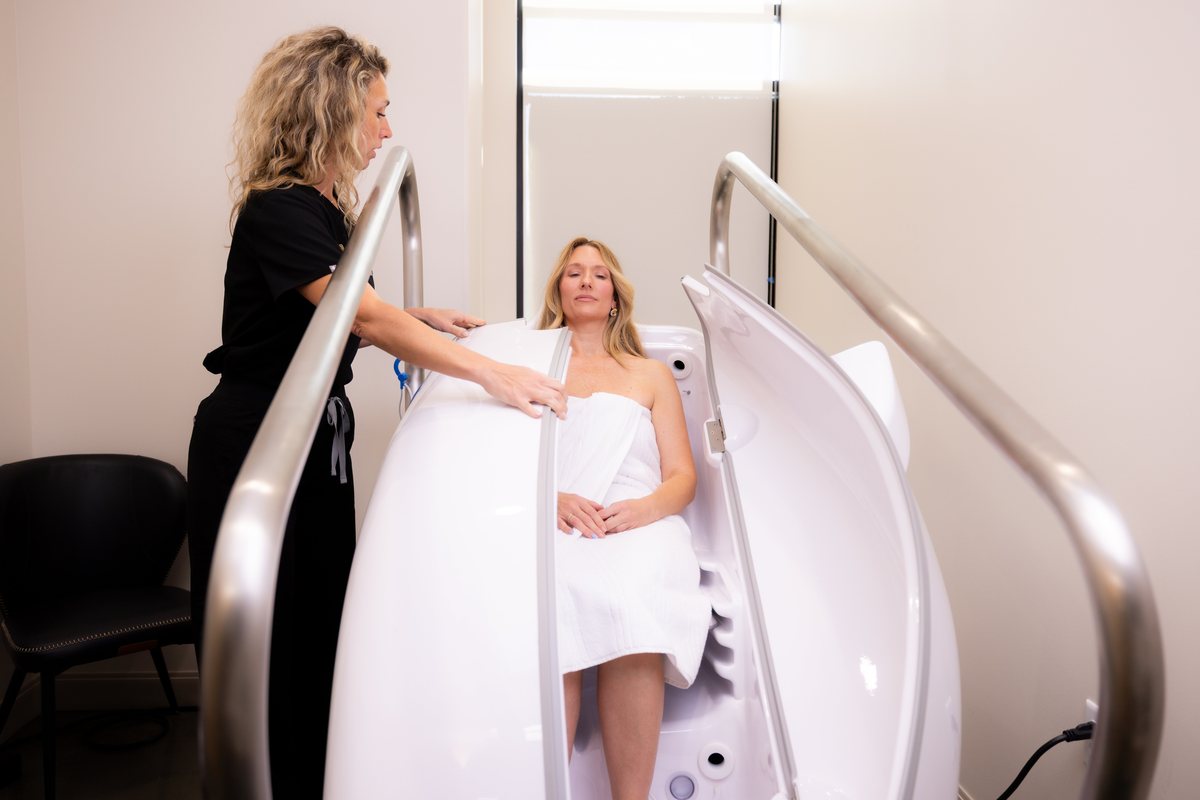
- Your lymphatic system carries roughly twice the volume of your blood and has no pump. It moves only when you do.
- Most of your immune tissue lives here. Lymph nodes are where immune cells meet what your body has cleared.
- Drainage must come before detoxification. Mobilising toxins into a congested system is how people end up feeling dramatically worse.
- Puffiness, heaviness and morning swelling are the everyday signs, and they respond faster than most people expect.
- Movement is the primary therapy. Everything else supports it — it does not replace it.
The system with no pump
What I explain to patients is that this is the only major circulatory system in your body without an engine.
Your cardiovascular system has a heart. Your lymphatic system has nothing equivalent. It is a one-way network of vessels that collects fluid, cellular waste, fats and immune cells from your tissues and returns them to the bloodstream — and it depends entirely on external forces to move.
Those forces are muscle contraction, the pressure changes of deep breathing, and the dilation of surrounding vessels. That is the whole list. Sit still, breathe shallowly and stay cold, and your lymph moves slowly. Move, breathe deeply and get warm, and it moves well.
The everyday signs of a sluggish system are unglamorous and very recognisable: puffiness that is worse in the morning, rings and shoes that fit differently through the day, a feeling of heaviness in the legs, and skin that looks dull. These respond faster than most people expect.
Why drainage comes before detoxification
This is the most clinically important thing on this page, and getting it wrong is why so many detox protocols make people feel dreadful.
Detoxification is a sequence. Your liver converts fat-soluble compounds into water-soluble ones, then those compounds have to leave — through bile into the bowel, through the kidneys, and through the lymphatic system.
If you mobilise toxins from tissue before those exit routes are genuinely open, they do not leave. They recirculate. That is why people starting an aggressive detox or a binder protocol frequently feel far worse than when they began, and conclude that something is being stirred up. Something is — and it has nowhere to go.
So in our clinic the order is fixed. Open drainage first: bowel movements regular, bile flowing, hydration adequate, lymph moving. Then mobilise. This is the same principle behind why we confirm drainage is open before ozone therapy in anyone carrying a heavy infection load, and it is the difference between a course of treatment that feels manageable and one that costs someone a fortnight.
What actually moves it, in order of usefulness
The ten reasons people come to us for lymphatic work
Ranked by how directly the mechanism applies and how consistently we see a response.
Preparing for a Detoxification Protocol
The most clinically important use. Mobilising toxins into a congested system is how people end up feeling far worse than when they started. We open drainage first, every time, before any binder or mobilising agent.
What the evidence showsMobilising toxins before hepatic, biliary, renal and lymphatic clearance routes are open results in redistribution rather than elimination, which is the mechanistic basis for staging drainage first.Puffiness, Swelling and Heaviness
The everyday complaint, and the one that responds fastest. Morning facial puffiness, legs that feel heavy by evening, rings and shoes that fit differently. Patients frequently notice a change within the first week.
What the evidence showsThe lymphatic system returns approximately three litres of fluid to circulation daily and has no central pump, depending entirely on muscle contraction, respiratory pressure changes and vessel dilation.Post-Surgical Recovery
Manual lymphatic drainage is well established after surgery, particularly cosmetic and orthopaedic procedures, for reducing swelling and improving healing. This is one of the least controversial applications in the field.
What the evidence showsManual lymphatic drainage has Cochrane review support for lymphoedema following breast cancer treatment, and is established in post-surgical protocols for reducing swelling.Immune Support
Lymph nodes are where immune cells encounter what the body has collected. A sluggish system means slower surveillance. For people who catch everything going around, this belongs alongside the nutrient work.
What the evidence showsLymph nodes are the site of antigen presentation and immune cell activation. Impaired lymphatic flow reduces the rate at which immune surveillance encounters what has been collected.Mold and Biotoxin Illness
Drainage capacity determines how much someone can tolerate during treatment. In biotoxin illness this is not a supporting therapy, it is a prerequisite, and skipping it is why so many protocols become intolerable.
What the evidence showsBiotoxin clearance depends on biliary excretion and lymphatic transport, and drainage capacity determines tolerance during mobilisation phases of treatment.Chronic Inflammation
Lymph carries inflammatory mediators away from tissue. Where flow is poor, those mediators linger and inflammatory signalling persists locally even when the original trigger has gone.
What the evidence showsLymphatic vessels transport inflammatory mediators and cellular debris away from tissue. Impaired flow allows local persistence of inflammatory signalling after the initiating trigger has resolved.Skin Clarity and Appearance
Improved clearance and circulation show in the skin, usually before anything else. Patients often mention this first, which tells you something about how visible lymphatic congestion actually is.
What the evidence showsImproved lymphatic clearance reduces interstitial fluid accumulation in the dermis, which is why facial puffiness is frequently the first visible change.Athletic Recovery
Clearing metabolic waste from worked muscle is a lymphatic job. Compression, movement and heat after hard training accelerate it, which is why elite sport has used these tools for decades.
What the evidence showsCompression and movement accelerate clearance of metabolic byproducts from worked muscle, which is the basis for compression garment use in athletic recovery.Hormone Clearance
Estrogen is cleared through the liver and gut, and lymphatic flow supports the wider clearance environment. This matters in perimenopause and anywhere estrogen dominance is part of the picture.
What the evidence showsEstrogen is conjugated in the liver and excreted through bile, and lymphatic and hepatic clearance both contribute to the overall estrogen elimination environment.Simply Feeling Lighter
The least technical entry on this list and one patients value more than they expect. Reduced heaviness, better morning energy, clothes fitting the way they used to. Small, real, and quickly noticed.
What the evidence showsAspelund and colleagues documented a dural lymphatic system draining brain interstitial fluid in the Journal of Experimental Medicine, establishing lymphatic clearance in a tissue previously thought to lack it.What patients commonly experience under our care
When patients receive the proper guidance, here is what they commonly experience under our care.
- The first few days — lightness. Reduced puffiness and heaviness, often noticed first thing in the morning. This is the fastest-responding therapy we offer and patients are usually surprised by how quickly it shifts.
- The first two weeks — skin and swelling. Facial puffiness settles, legs feel lighter through the day, and skin looks clearer. Rings and shoes fitting differently is the detail people mention most.
- Weeks 2–6 — tolerance improves. For patients heading into a detoxification or infection protocol, this is the point at which they can tolerate mobilisation without paying for it afterwards. That is the real purpose of this work.
- Ongoing — maintenance through movement. The goal is not indefinite treatment. It is a system that moves on its own because you are walking, breathing properly and hydrated — with therapy supporting that rather than substituting for it.
If you feel puffy, heavy and congested, or you are about to begin any kind of detoxification protocol, this is where to start rather than where to finish. Schedule a consultation and let my team open the exit routes properly before anything is mobilised. It is the difference between a protocol that works and one that costs you a fortnight.
Drainage assessed and supported first — because a detox protocol into a congested system is how people end up feeling worse.
Common questions
What does the lymphatic system do?
It collects fluid, cellular waste, fats and immune cells from your tissues and returns them to the bloodstream. It carries roughly twice the volume of your blood, and it houses most of your immune tissue in the lymph nodes. Crucially, it has no pump — it moves only through muscle contraction, deep breathing and vessel dilation.
What are the signs of a sluggish lymphatic system?
Puffiness that is worse in the morning, particularly around the face and eyes. A feeling of heaviness in the legs by evening. Rings and shoes fitting differently through the day. Dull-looking skin. Frequent minor infections. None of these are diagnostic on their own, but together they are a recognisable pattern.
Why does lymphatic drainage matter before a detox?
Because detoxification is a sequence. Your liver makes toxins water-soluble, and then they have to leave through bile, kidneys and lymph. If you mobilise toxins before those routes are open, they recirculate rather than leaving — which is why people on aggressive detox protocols so often feel dramatically worse. We open drainage first, always.
Does dry brushing actually work?
Modestly. It provides superficial stimulation to lymphatic vessels near the skin surface, it is cheap, and it is easy to do daily. It is worth doing and not worth overselling. Walking does considerably more, and it is also free.
How often should I have lymphatic drainage?
It depends on the purpose. Preparing for a detoxification protocol, weekly for two to four weeks beforehand. Post-surgically, more frequently and as directed by your surgeon. For general puffiness and heaviness, fortnightly alongside daily movement and hydration is usually sufficient — and the goal is always a system that moves on its own.
- Moore JE, Bertram CD. Lymphatic system flows. Annual Review of Fluid Mechanics. 2018;50:459–482. PMC5946726
- Ezzo J, Manheimer E, McNeely ML, et al. Manual lymphatic drainage for lymphedema following breast cancer treatment. Cochrane Database of Systematic Reviews. 2015;(5):CD003475.
- Hartmann B, Bassenge E, Hartmann M. Effects of serial percutaneous application of carbon dioxide in intermittent claudication. Angiology. 1997;48(11):957–963.
- Aspelund A, Antila S, Proulx ST, et al. A dural lymphatic vascular system that drains brain interstitial fluid and macromolecules. Journal of Experimental Medicine. 2015;212(7):991–999.
This article is educational and reflects the published literature as of August 2026. It is not a diagnosis or a treatment recommendation for any individual, and any decision about your care belongs in a conversation with a licensed practitioner who has seen your history and your labs.